A little uncertainty along the route
A maze turns a garden into a conversation: left or right, forward or back. In the tropics it also has to answer to heat, rapid growth and the simple question of who will clip it.
Maze or labyrinth?
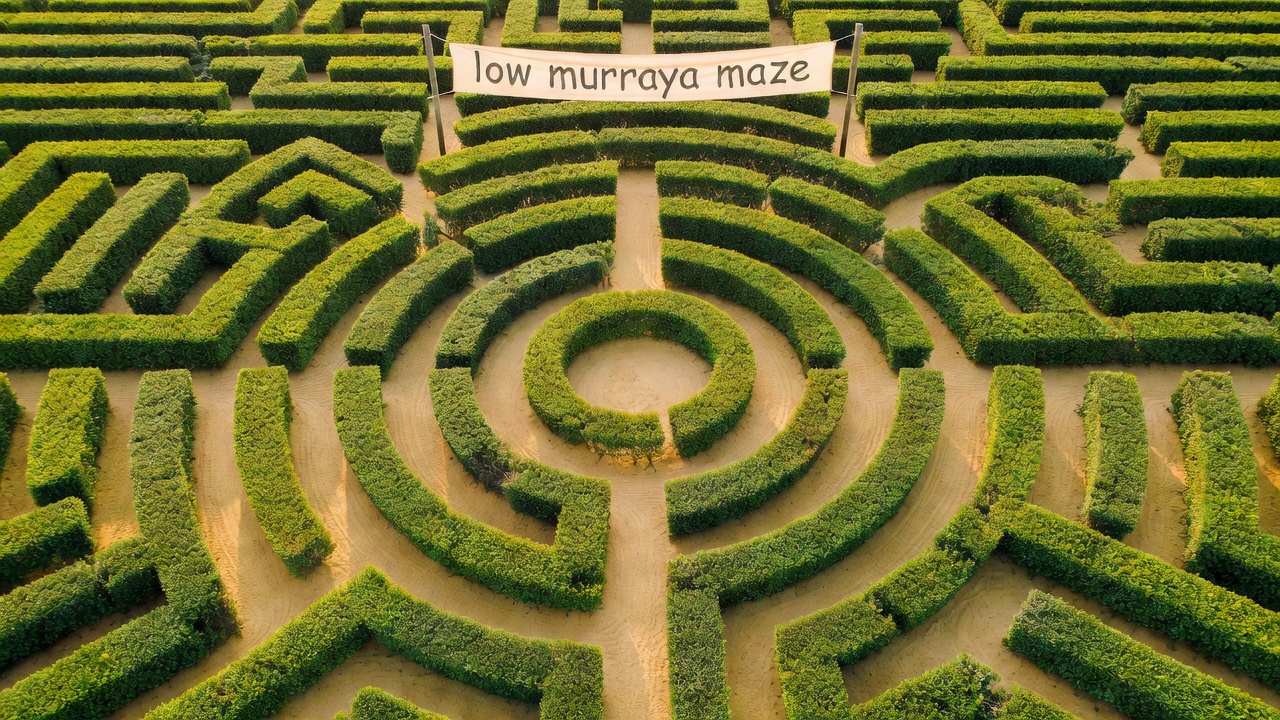
The words are often used interchangeably, but designers separate them. A labyrinth is unicursal: one path winds, without choices, to the centre and back. The eleven-circuit pattern set into the floor of Chartres Cathedral in France is the classic model, and it suits contemplative gardens. A maze is multicursal, with junctions and dead ends meant to puzzle.
Hedge mazes have a long history. The trapezoid maze at Hampton Court Palace near London, planted around 1690 for William III, is the oldest surviving hedge maze in Britain. At the other end of the scale, the Pineapple Garden Maze at the Dole Plantation on Oahu, Hawaii, built from thousands of tropical plants, was once certified by Guinness World Records as the world's largest maze. The British designer Adrian Fisher has created hundreds of puzzle mazes worldwide and popularised many inventive forms.
A home garden needs neither scale. A labyrinth in mown grass or contrasting gravel can fit in a 6 m square; a knee-high maze can occupy a single bed.
Choosing tropical hedge plants
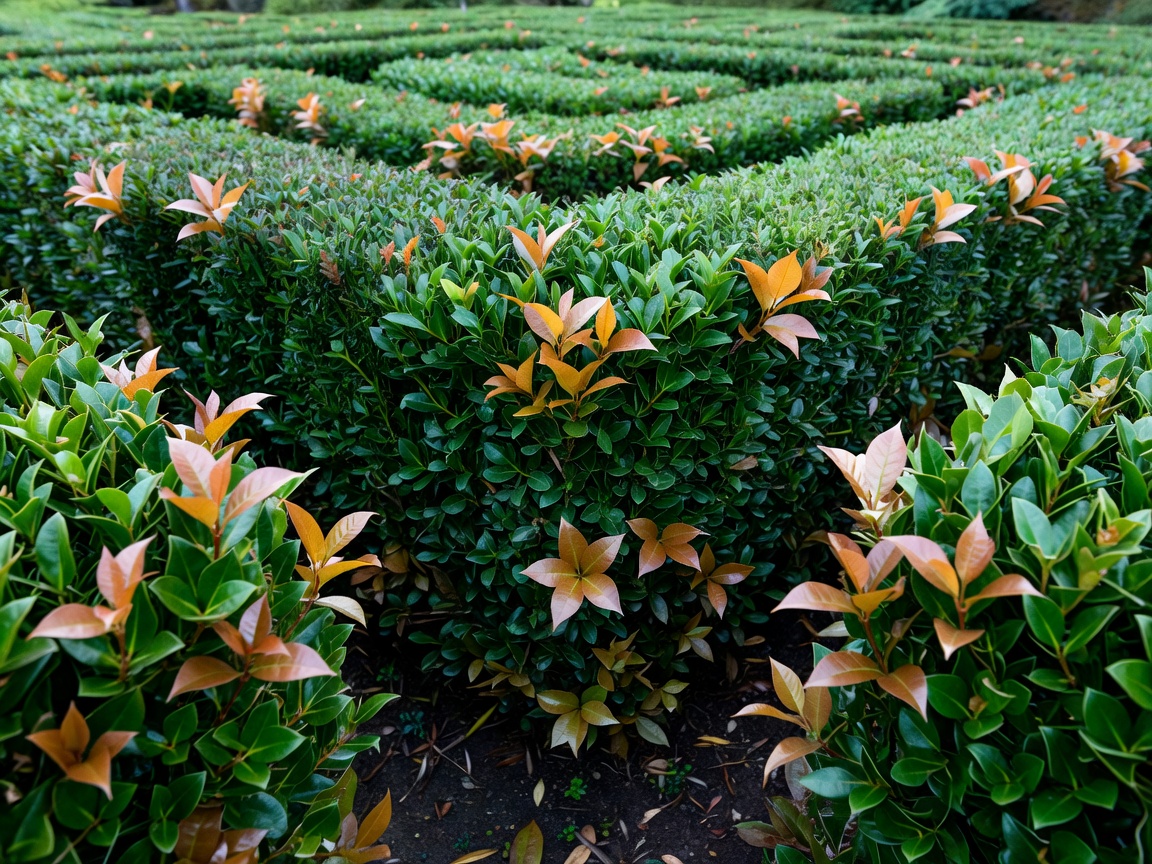
The plant defines the maze's character and your workload. Orange jasmine (Murraya paniculata) clips tightly and scents the air, but it hosts the Asian citrus psyllid and is restricted in some citrus-growing regions, so check local rules. Syzygium (lilly pilly) cultivars give glossy, colourful new growth. Podocarpus grows more slowly and holds a crisp shape. Clusia has thick paddle leaves that make bold low walls.
Be cautious with Duranta and other plants with toxic berries where children explore, and avoid spiny species in narrow passages. Large-leaved Ficus hedges grow fast and have aggressive roots; keep them well away from paving and drains.
For a no-clip alternative, define a maze with stepping stones through low groundcover, or with stands of heliconia and ginger that are allowed to grow naturally but spaced to keep paths open.
Heat, safety and the experience of being lost
Getting slightly lost should feel playful, never stressful. In warm climates that means shade at intervals, a seat at the goal and a water bottle within reach. Keep tall mazes to cooler parts of the day for young visitors, and make sure the path surface drains so puddles do not hide trip hazards.
Keep the floor of the maze clear of leaf litter where snakes or stinging ants might shelter, and check for wasp nests in hedges before trimming. Low solar markers at junctions help in the evening without spoiling the puzzle.
The centre does not need a prize. A shady bench and a new view of the garden is reward enough.
- Clip hedges every 6–8 weeks
- Rake fallen leaves from paths
- Inspect for nests before trimming
- Hard prune to rebalance width
- Repair path surface
- Replace failed hedge sections